Understand the Parts
Learn how separating affected rooms, removing sewage, treating surfaces, and drying materials shape the cleanup plan.
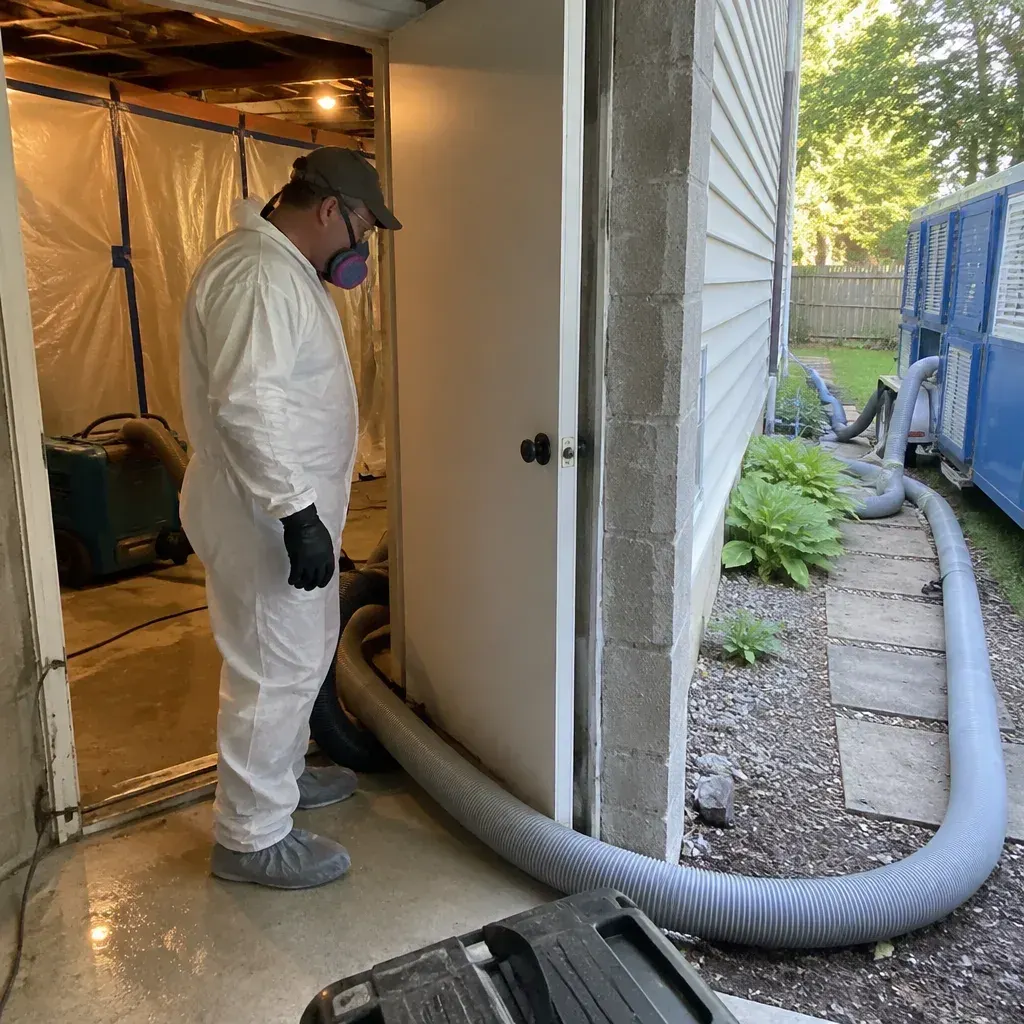
Begin by checking whether the address is served, then learn who handles the work and what cleanup covers. This Provo site connects homeowners with independent local pros; nobody employed by the site performs cleanup. A ranch in Provo and a split-level near Orem may sit in different service areas. Ask the pro about coverage, visit charges, and scheduling before arranging access. The sections below explain what cleanup addresses, why weather alone cannot identify a backup's cause, and which job details to settle before work begins.
Provo homeowners reach independent local professionals through this site. The site employs nobody, and the pros we connect you with operate independently. A ranch near Evergreen Park, a split-level, and a subdivision home may each call for a different conversation. Describe what you noticed and where it happened. Before arranging a visit, ask which business would come, whether your address is in its service area, and what details it needs. Orem Public Library and Springville Museum of Art are landmarks elsewhere in the valley; neither confirms service at your home.
When you use the Provo referral line, give the property address and say which room first showed sewage. Note whether it reached carpeting, stored items, or wall surfaces. Mention any steps already taken and whether a plumber has investigated the source. The independent pro can explain what an assessment includes and what work may follow. Ask whether contamination may have reached spaces behind cabinets or under flooring. Photos and a simple list of damaged items can help you track what the cleanup addresses.
A wet floor after rain does not reveal where sewage came from. Provo climate normals include both precipitation and winter snowfall, but averages cannot explain one home's backup. A house in Provo, Springville, or Lindon may have a different source or sewer arrangement. Do not assume a storm, nearby water, or public line caused the problem. Ask what evidence points to the source and which provider can verify it. A backup can also affect nearby contents that are not visibly wet.
Before authorizing work in Provo, ask the pro to describe each planned step. Ask what the assessment found before deciding whether the proposed work fits the condition. Ask which materials can remain and how the decision will be made. Get the scope and any separate charges in writing, including an assessment or visit fee. If you plan to contact your insurer, ask what photos and work records the pro can provide. Coverage depends on your policy, so confirm it with your insurer.
Before a Provo visit, confirm the address falls within the independent pro's service area. Set an arrival window and agree on how the pro will enter. Ask who will assess the affected rooms and explain proposed work. Clarify how belongings should be handled before arrival, and whether you should keep rooms closed. Find out how changes to the scope or charges will be discussed. If the backup source remains uncertain, ask which plumbing professional can investigate it. Ask whether household plumbing should stay unused while the source is being checked.
Pick the cleanup guide for your concern. Then review the areas, planned work, and charges with the provider.
Learn how separating affected rooms, removing sewage, treating surfaces, and drying materials shape the cleanup plan.
The home cleanup guide covers keeping clear, deciding what materials need attention, and questions to settle before work.
Ask for clear definitions of terms in the contamination findings, cleanup plan, and structural drying notes.
Mark the first visible sewage line, note soaked contents, and track dampness or odor for the cleanup discussion.
Utah does not issue a state credential specifically for sewer backup cleanup. That does not confirm a provider’s insurance or business practices. Ask the pros we connect you with for current insurance documents. Check that they name the business doing the work. Ask what the policy covers and who will enter your home. A written scope can clarify which affected materials the cleanup will address and what may need to be removed.
This site handles referral requests; it does not clean homes. You describe the backup and where it reached inside your Provo home. The pros we connect you with are independent businesses and decide whether they can respond. Before agreeing to work, ask which company would arrive, what cleanup it handles, and who will answer questions during the job. Confirm the service area for your address.
After you send a request, the site may use its details to find independent pros who can respond. A provider may contact you to discuss affected rooms, access, and next steps. Include what you saw and where it appeared; those details help a provider assess the request. If useful, identify the home by a nearby landmark such as Hobble Creek Park, Springville Museum of Art, or Hobble Creek Golf Course.
There is no fee to submit a request through this site. Any cleanup agreement is made with an independent provider, who sets the charge. Ask what the estimate includes, such as sewage removal, affected-material handling, cleaning, disinfection, or drying. The amount can depend on which rooms and materials are affected and how much work an assessment finds.
Details you enter, such as your contact information, address, and description of affected rooms, may be shared with independent pros so they can consider your request and respond. Give enough information to locate the home and understand the backup. Avoid adding unrelated personal details. Ask the provider what else it needs before you agree to an inspection or cleanup.
When discussing a Provo cleanup, give the pros we connect you with a clear account of the affected rooms and materials. Mention whether affected rooms connect to one another, since that can help describe how far the problem reached. Request a written scope that describes removal, cleaning, disinfection, and drying. Check what timing is available and whether added work costs extra. If warranty terms matter to you, ask whether any apply and what they cover. Ask what needs to happen before you can safely use the affected rooms again.
Call (801) 716-3454