Returning Home
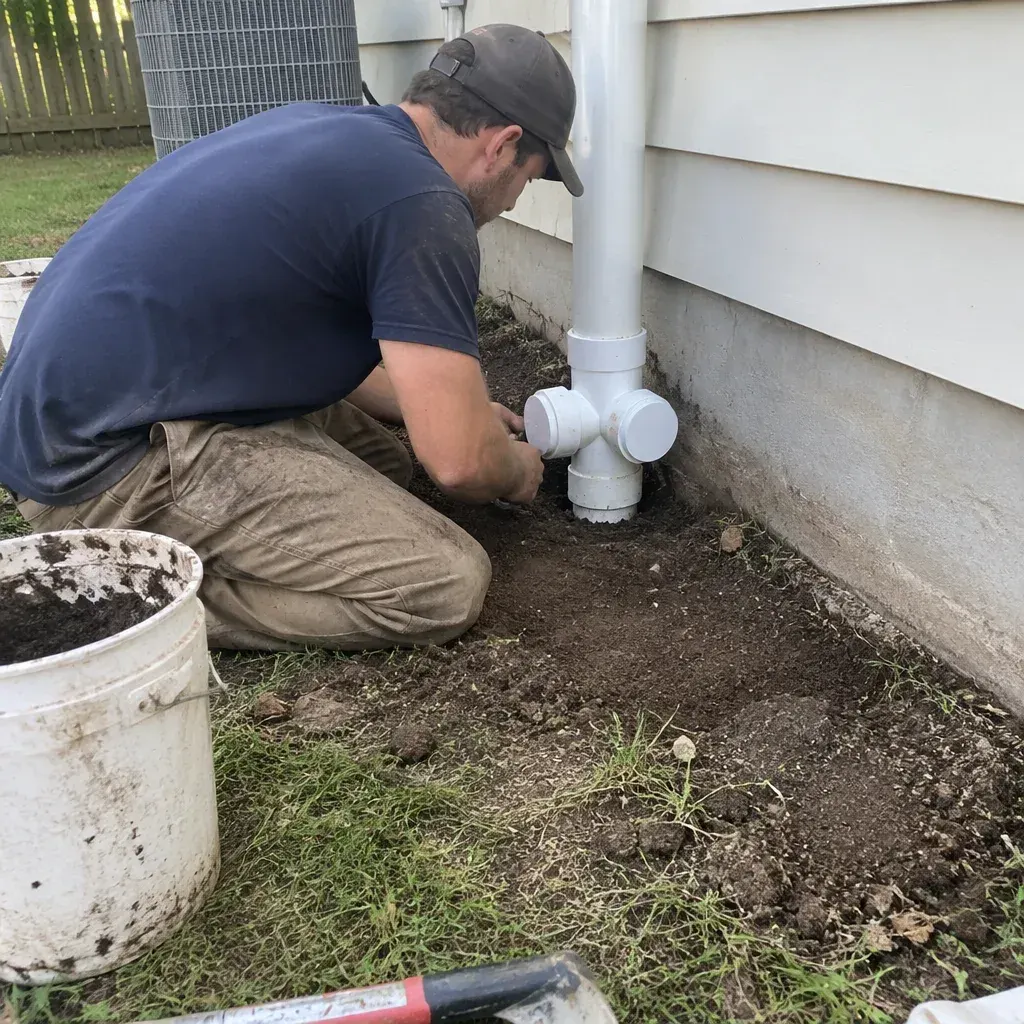
In Provo, lingering odor, damp flooring, or visible residue can draw attention to room edges. Learn what these clues may suggest before you return after sewage cleanup.
Read article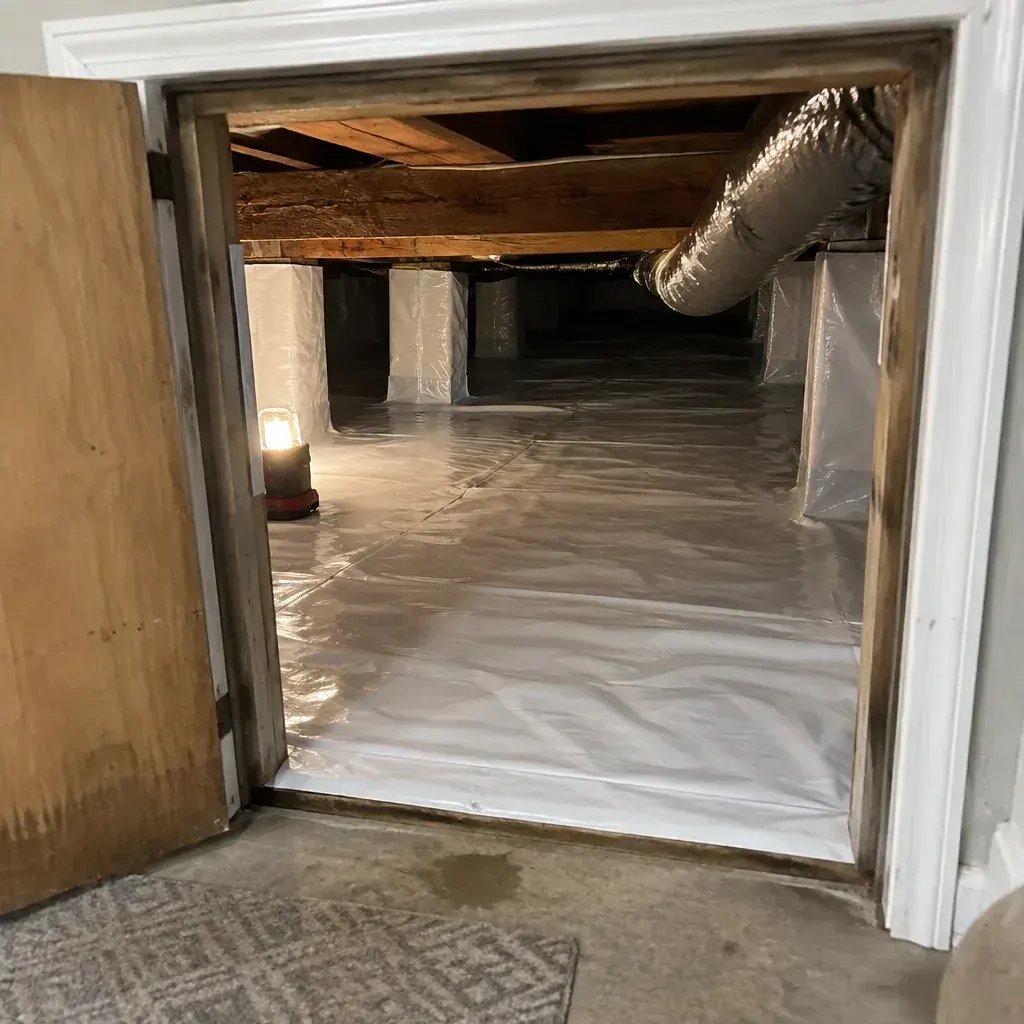
For Provo homes near Lakeview Park and Utah Lake, cleanup starts with each material’s condition.
In Provo, a crawl-space hatch may sit beside a ranch home near Fort Utah Park or beneath a split-level near Lakeview Park. From the yard, you may notice a musty smell or damp ground without seeing what lies under the floor. Winter snow appears in local climate records, but that fact alone cannot explain a backup at one address. Each home’s entry and layout shape what a cleanup professional can inspect. The first useful clue is where odor or moisture appears around the house.
In Provo, the pros we connect you with start by checking the opening, clearance, and visible materials. Tight access affects which extraction tools and debris containers can fit below the floor. Water can carry waste into low spots and onto exposed surfaces. Surface condition and the reach of contamination affect labor and drying time. A clear path to the access opening helps keep debris from passing through living areas.
Provo’s winter snowfall appears in local climate normals, but it cannot show why a home backed up. Crawl Space Sewage Cleanup cleans indoor sewage damage; Lindon, Orem and American Fork are coverage examples.
Use Sewer Backup Cleanup to consider cleanup in your household; if you own rental space or operate a business, commercial sewer backup cleanup covers that setting.
A foul smell near a crawl-space vent or floor opening can linger even when no pool of water is visible. In Provo, odor may come from sewage residue on soil or building materials below the floor. The smell can help locate an affected area, but it does not show which materials can stay. Avoid opening the space to investigate. A cleanup professional can assess the source of the odor and determine whether residue or damp material needs attention.
Look from outside for sagging insulation or dark marks on material visible at the crawl-space opening. Those changes can mean absorbent material took in sewage and may not be salvageable. In Provo homes, joists and supports can also have residue that needs a different treatment than insulation. Do not pull material out yourself. A professional can judge its condition and whether cleaning is practical, or removal is needed before disinfection and drying.
A floor that feels clammy or a room that stays musty can signal moisture below the living space. In Provo, crawl-space dampness may remain in wood or subflooring after pooled water is gone. That retained moisture can slow drying and affect materials above. The visible floor may not reveal how much moisture remains underneath. Soft or discolored wood can show that moisture has affected materials below.
The professional checks the opening, clearance, and visible damage to plan entry, choose equipment that fits, and estimate how debris can be removed safely.
The work area is isolated, then sewage is extracted. Materials holding contamination are assessed and removed when cleaning cannot address their condition.
Loose debris is cleared from surfaces so treatment can reach the remaining contamination. The label guides safe use and the required treatment time.
Drying equipment reduces moisture in affected framing and subflooring. Follow-up checks show whether materials need more drying before equipment is removed.
In a Provo crawl space, sewage can reach soil, insulation, framing, and the subfloor. Absorbent material that holds contamination may need removal, while sound surfaces may be cleaned and disinfected. The condition of each material guides that choice. Removing too little can leave residue behind; removing too much can disturb material that remains usable. Contamination can also reach stored items, making them part of the assessment.
Utah’s sewer management rules set duties for public sewer operators when overflows occur. Those duties do not establish what a private crawl-space cleanup includes or whether an insurance claim will be paid. In Provo, keep photos of visible damage and notes about removed materials and work performed. These records may help you explain the cleanup to your insurer. Check your policy for coverage terms; no city or provider outcome can be assumed from the cleanup itself.
Utah requires public providers to disclose who handles sewer-lateral repair and replacement, but the responsible party can vary. Before arranging line work at a Provo home, ask the provider for the property’s rules and have a plumber identify the source. Cleanup professionals handle contamination inside the crawl space. This distinction helps you direct questions about sewage removal to the right service and questions about a continuing discharge to plumbing professionals.
Treat Crawl Space Sewage Cleanup ranges for Provo near the Provo River as estimates; ask the pros we connect you with about site assessment fees and the proposed cleanup scope.
| Rooms to Check | Cleanup Tasks | Cost Inputs |
|---|---|---|
| Surface detail | Near Evergreen Park: note the impacted zone and work its condition calls for | an estimated $3,200–$9,000 |
| One enclosed space | Include odor treatment and drying when the agreed cleanup plan lists them | an estimated $3,680–$11,700 |
| Multiple spaces | Documented additions may cover newly confirmed materials or spaces | an estimated $3,200–$9,000 |
| Whole building | Set cleanup limits from observed conditions inside the home | an estimated $7,680–$36,000 |
Cleanup can include extraction and sanitation before drying begins; extra odor control may add another task. Ask whether rebuilding appears separately, especially when selecting longer-lasting finishes. The pricing guide helps you review the work included. It covers indoor cleanup, while a plumber addresses the line or blockage.
Arrange an assessment without entering the affected crawl space. Note when the water appeared to stop and whether the area became damp again. They extract sewage and assess what needs removal, cleaning, or drying. If discharge is continuing, contact a plumber to investigate or repair its source. Cleanup handles contamination inside the home; it does not clear or repair sewer lines.
For a Provo crawl space, the material’s condition helps determine whether it stays or goes. Sound concrete and intact masonry can often be cleaned and disinfected in place. A loose or damaged finish may need removal to expose the structure for treatment. The pros we connect you with assess affected surfaces before deciding. Near Fort Utah Park, keep out until that assessment is complete.
Near Lakeview Park, do not crawl in to reach a puddle or move debris. In a tight crawl space, the pros we connect you with plan the route for hoses, tools, and bagged waste before work starts. They cordon the access point and lay a controlled path out, limiting contact with clean rooms. This lets them extract sewage without carrying dirty water through the house. Keep people and pets clear until the space is assessed.
Odor treatment follows sewage removal, removal of contaminated materials, and cleaning of surfaces that remain. A lingering smell can mean residue or damp material still needs attention. The professional can reassess the crawl space and choose treatment suited to the remaining odor. In Provo, treating the smell without addressing its source may leave it behind, so the cleanup should account for affected materials as well as air.
Drying time depends on how much material absorbed moisture, the space’s airflow, and what remains after extraction and cleaning. Wood and subflooring may need drying even after standing water is gone. In Provo, the cleanup professional can monitor affected materials and adjust equipment as readings change. Air movement can help affected materials release moisture during drying.
At homes near Rock Canyon Trailhead, cleanup treats the contaminated crawl space; it cannot confirm why sewage entered. If water is still coming in, stay out and call a plumber to investigate the source before cleanup begins. After the discharge stops, the pros we connect you with can address affected materials and surfaces, then dry the space. Ask the plumber whether the sewer line or another source needs repair; responsibility depends on the property.
For crawl space sewage cleanup, the estimate is $3,200–$9,000 for this work. A small spill and a wider spread require different work; after assessing the damaged area, materials, and drying needs, the pros we connect you with can confirm pricing.
Understand how cleanup choices follow the contamination found in building materials and affected spaces.
In Provo, lingering odor, damp flooring, or visible residue can draw attention to room edges. Learn what these clues may suggest before you return after sewage cleanup.
Read article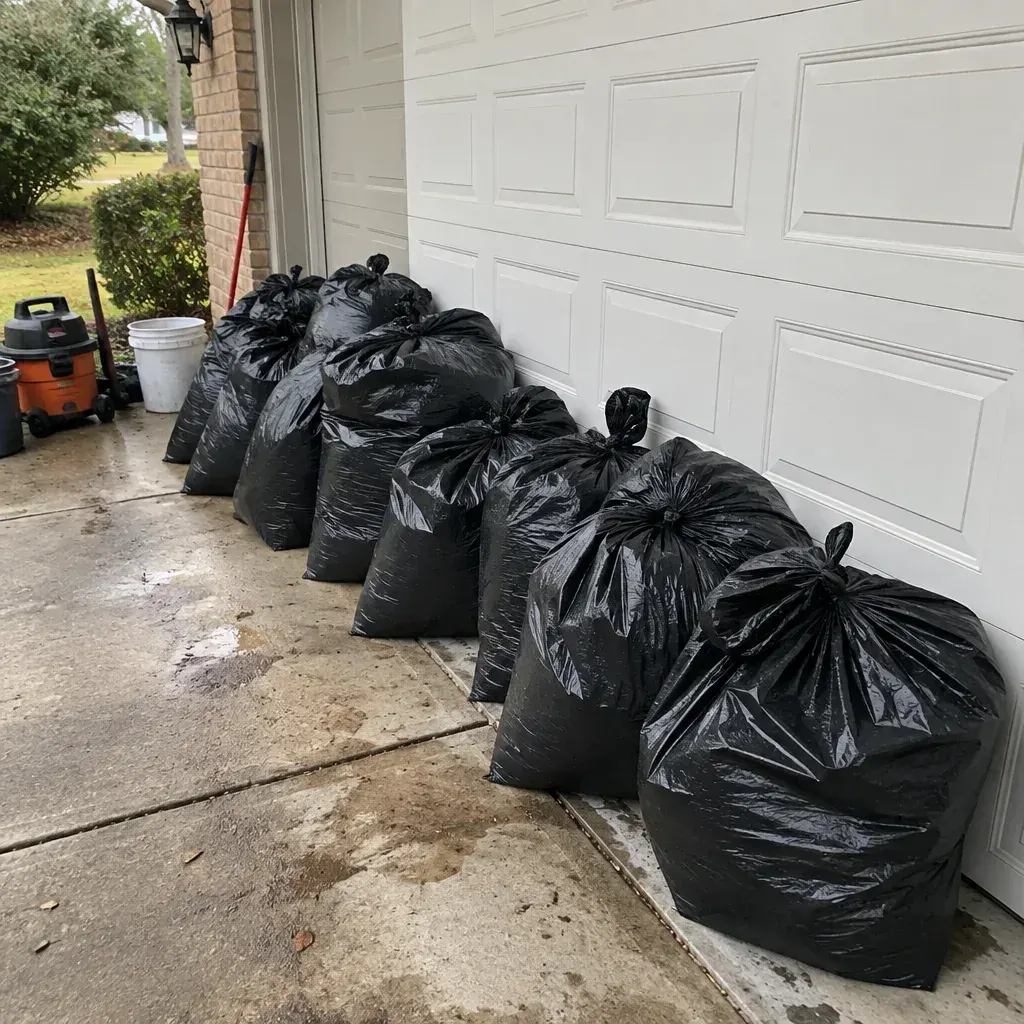
How quickly should a cleanup company respond to a sewage backup in Provo? Learn what to report, what visible spread may indicate, and what to clarify about arrival.
Read article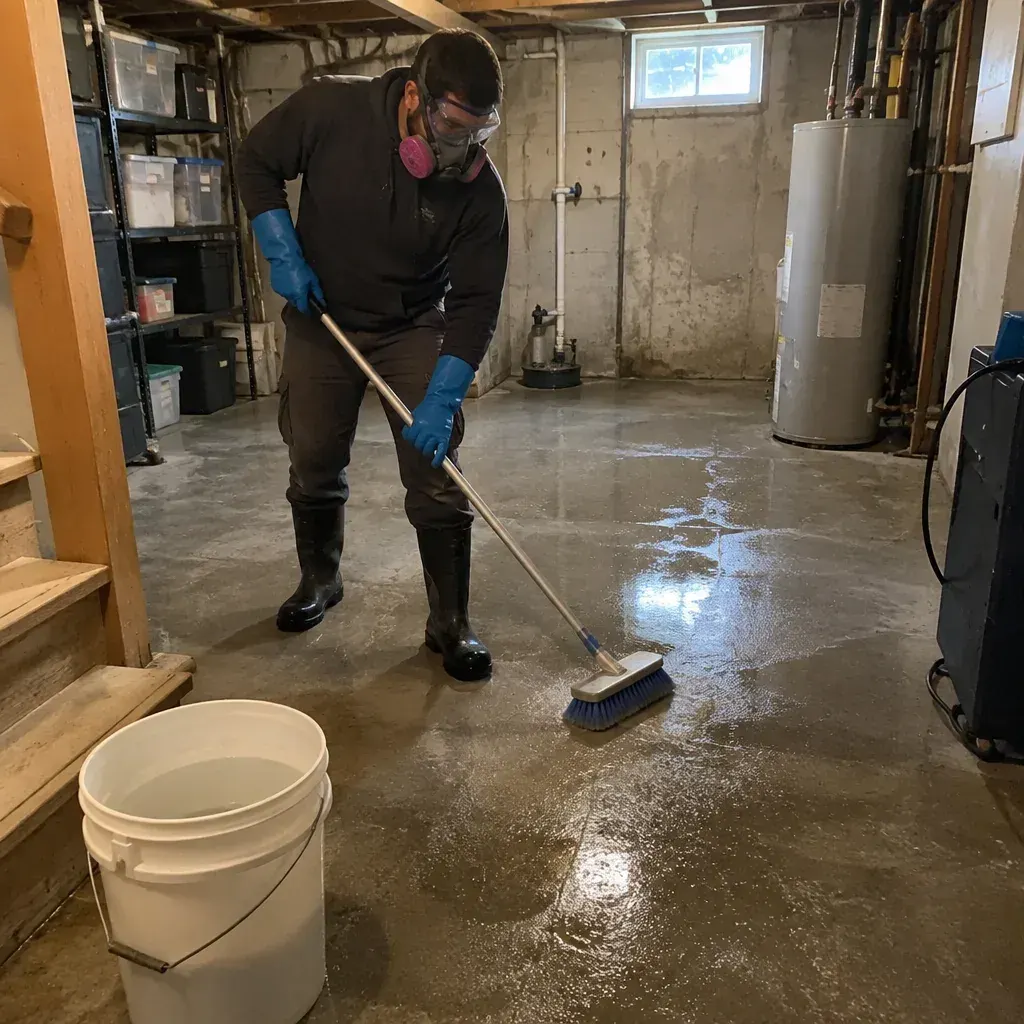
How long does sewer backup cleanup usually take in Provo? Follow assessment, removal, treatment, and drying to see what shapes the timeline.
Read articleFor a Provo address near Fort Utah Park, start by checking whether sewage is still entering the building. Note whether the source seems to involve a drain, fixture, or pipe, without investigating it yourself. Keep others clear and report what you saw, including the rooms and materials involved. Keep affected belongings in place until their condition has been discussed. Request a written scope explaining removal, treatment, and drying.
Call (801) 716-3454