What Determines the Overall Duration
Professional sewage cleanup time depends on what the team finds and how many stages your home needs. The timeline usually moves through assessment, sewage extraction, cleaning, disinfection, and drying. Each stage can reveal work that was not clear at first. In Provo, ask the pros we connect you with to explain which stages fit your situation and what could lengthen them. A useful estimate describes the work ahead, rather than promising a finish date before affected materials and rooms have been assessed.
Start by noticing where water or staining appears and whether it reaches more than one room. A ranch may show a single affected floor, while a split-level can have separate rooms at different heights. Those visible boundaries give the assessment a starting point, but they do not show what lies inside floors or walls. Across the service area, homes in Provo and Springville, including near Hobble Creek Park, Hobble Creek, and Springville Museum, can have different layouts and affected areas.
Assessment and Sewage Extraction
Look for changes in flooring, baseboards, or lower wall surfaces, then note which rooms show them. The pattern helps the cleanup team understand how far contamination may have traveled. In Provo, a stain that continues past a doorway can mean the work involves more than the first visible room. Assessment also identifies materials for removal, surface treatment, or drying. Those findings shape the sequence, so the timeline becomes clearer as the affected areas and materials are identified.
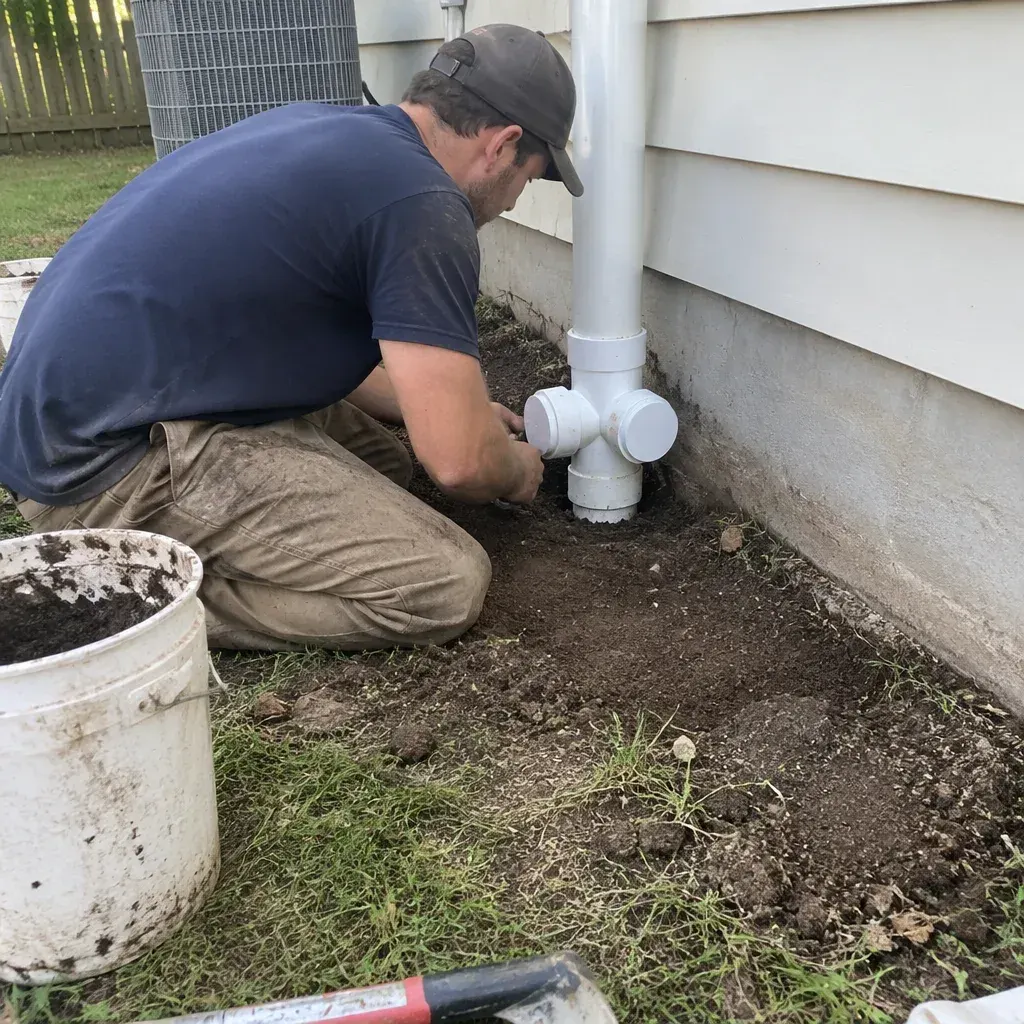
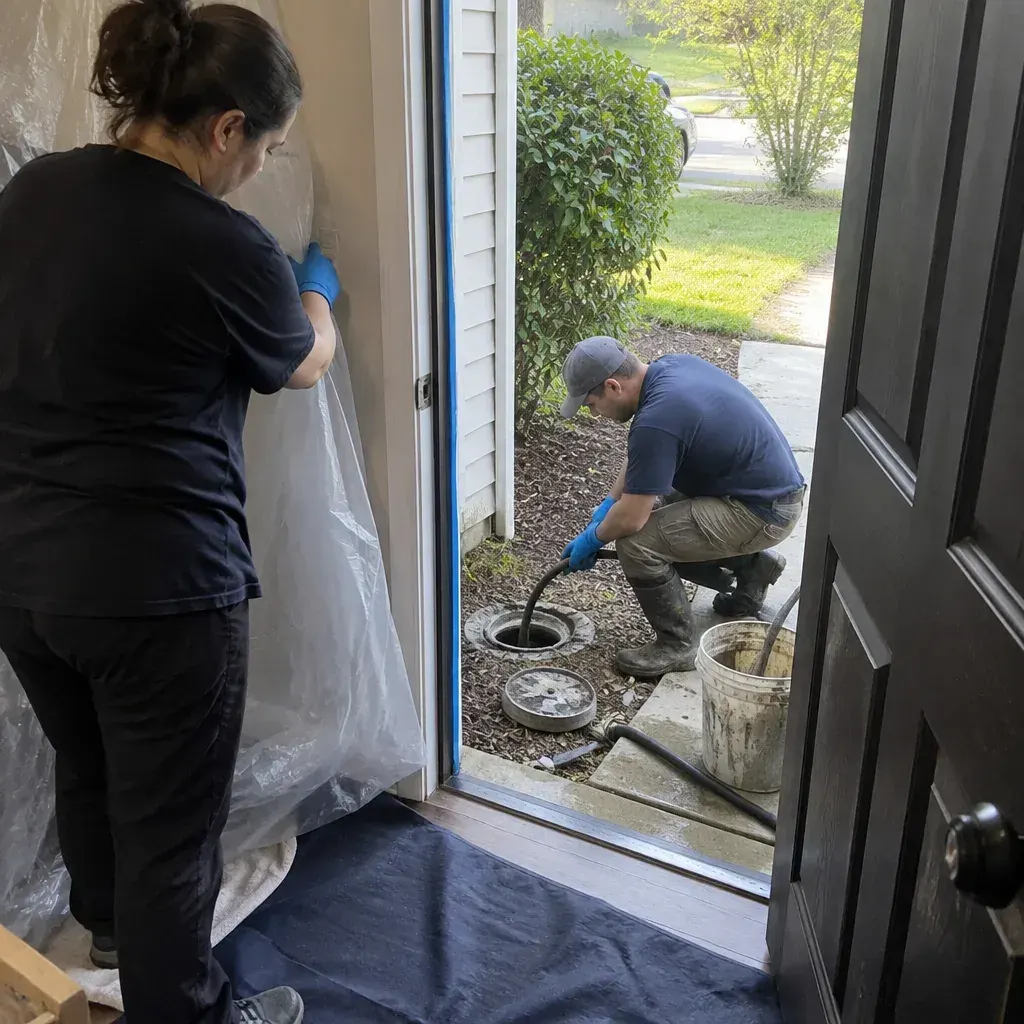
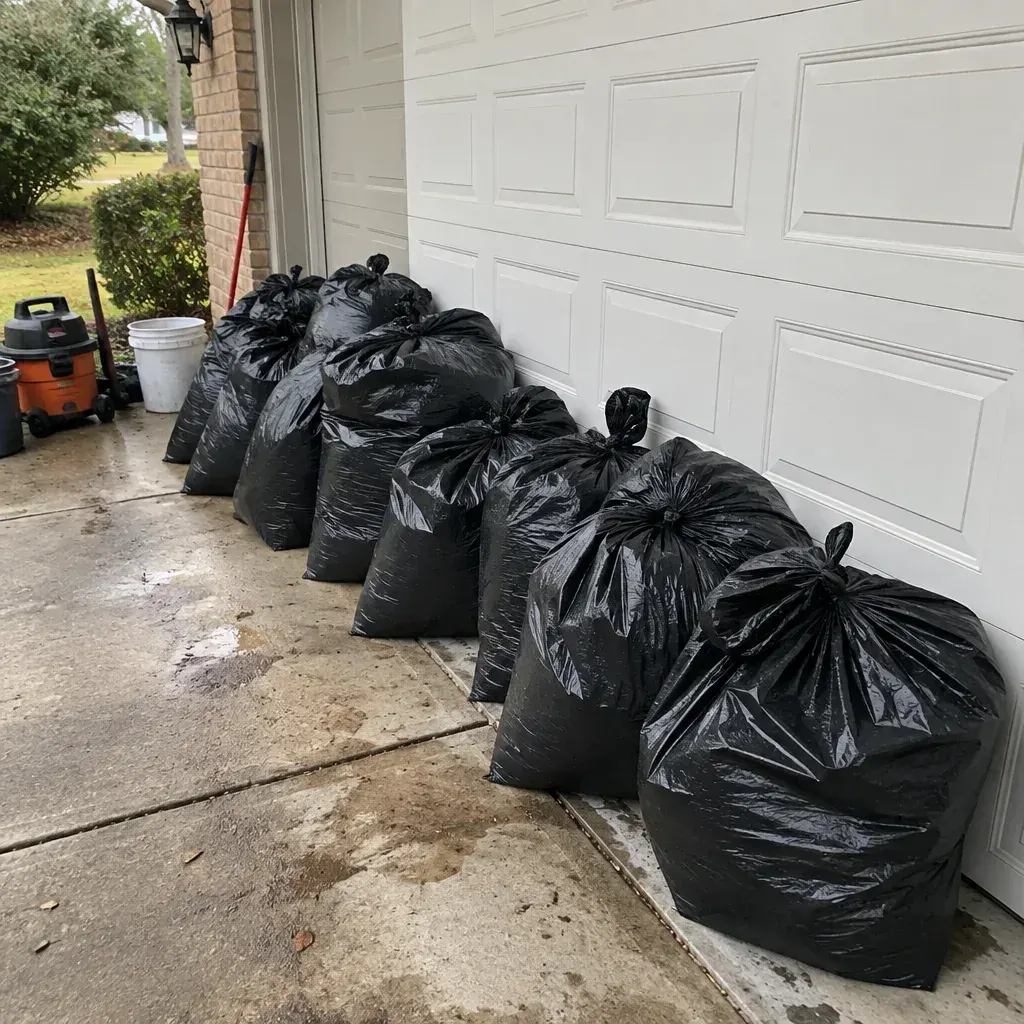
Extraction removes sewage from affected spaces, but the amount and spread influence how much work follows. If dampness or residue appears across several rooms, teams may need to address those areas in sequence. Porous items that absorbed sewage can require removal before the exposed surfaces are cleaned. In Provo homes, this can make the visible water disappear before the removal stage is finished. Ask which findings could add steps after extraction and how those steps affect the expected schedule.
Cleaning, Disinfection, and Treatment
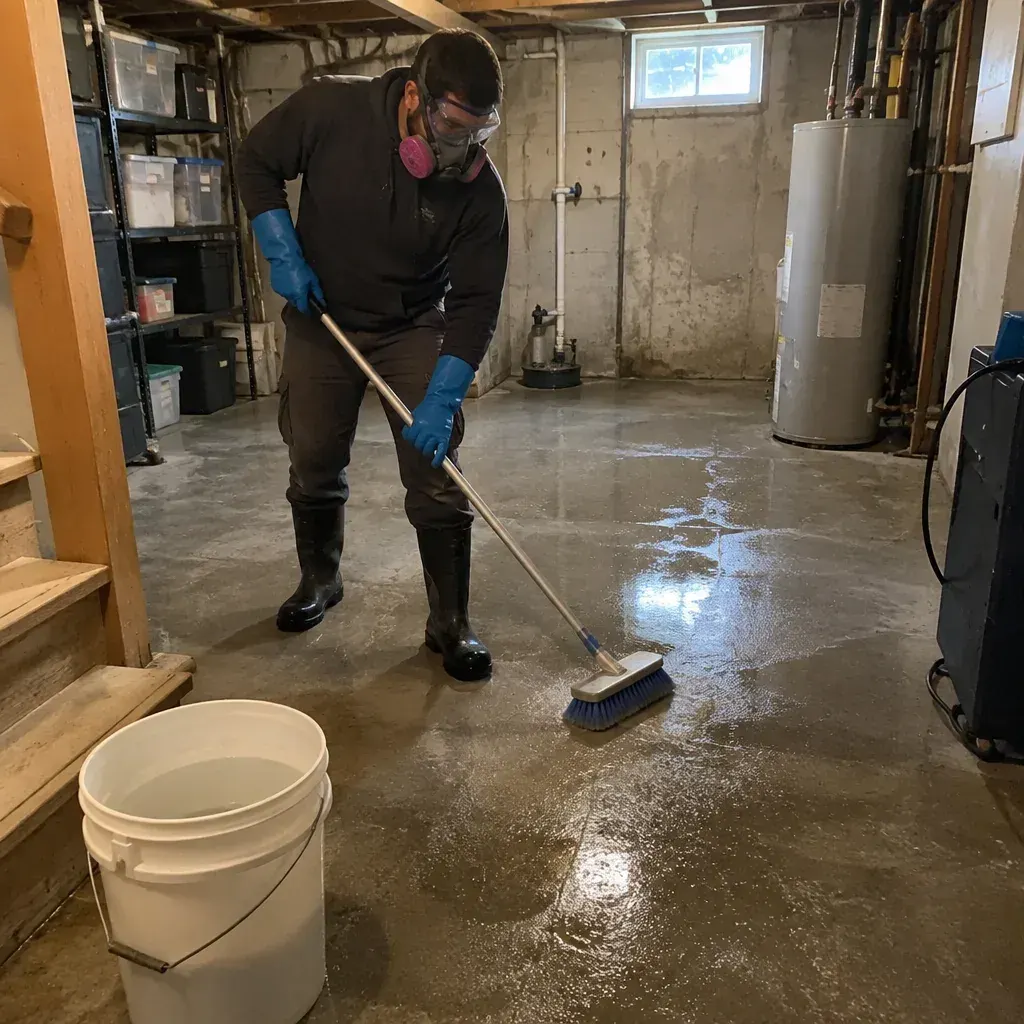
After contaminated material is addressed, affected surfaces need cleaning and disinfection. Look at which rooms and surfaces the assessment has marked for treatment; broader affected zones mean more surfaces to cover. Disinfectants also need the contact time stated on their labels. That required wait is part of the work, even when a surface looks clean. For a Provo cleanup, ask how treatment is sequenced across rooms and what completion of this stage means for the overall timeline.
Contamination can settle beneath flooring, leaving hidden surfaces in need of attention. The work record can clarify which rooms were treated and which steps remain. This distinction matters when cleanup spans a bathroom, adjoining hall, or storage area, since each space may have different affected materials. In Provo, ask the provider to describe how they will track completed stages. That gives you a clearer picture of progress than judging the schedule by appearance alone.
Drying and Changes to the Schedule
Once extraction and surface treatment are complete, building materials still need to dry. A floor may feel dry at the surface while moisture remains below it. Drying can therefore continue after the visible mess is gone. In Provo, ask how the team will judge drying progress and report when that stage is complete. The remaining moisture and the materials involved shape the duration. This is why the full cleanup timeline can extend beyond the day contaminated water and debris are removed.
In Provo, sewage cleanup time follows inspection findings and the work each area needs. The type of surface affected can also shape which cleaning steps are needed. Extraction comes before cleaning and disinfection; odor treatment may follow. Musty odors or cool, damp flooring after visible soil is gone can signal moisture remains, so structural drying adds time. The pros we connect you with can explain stages for a home near Rock Canyon Trailhead. Ask what conditions could change this cleanup timeline.
Dealing with a sewer backup in your home?
Look from a dry, safe spot. Do not enter water or handle wet items. Note affected rooms, floor edges, and belongings; keep people and pets away. Note where the backup first appeared, if that spot is visible from your safe location. Record visible damage without tracing sewage through the house. Ask the pros we connect you with whether they serve your address, when they are available, their timing and visit charges, and what cleanup includes. Have a plumber find and repair the backup source.