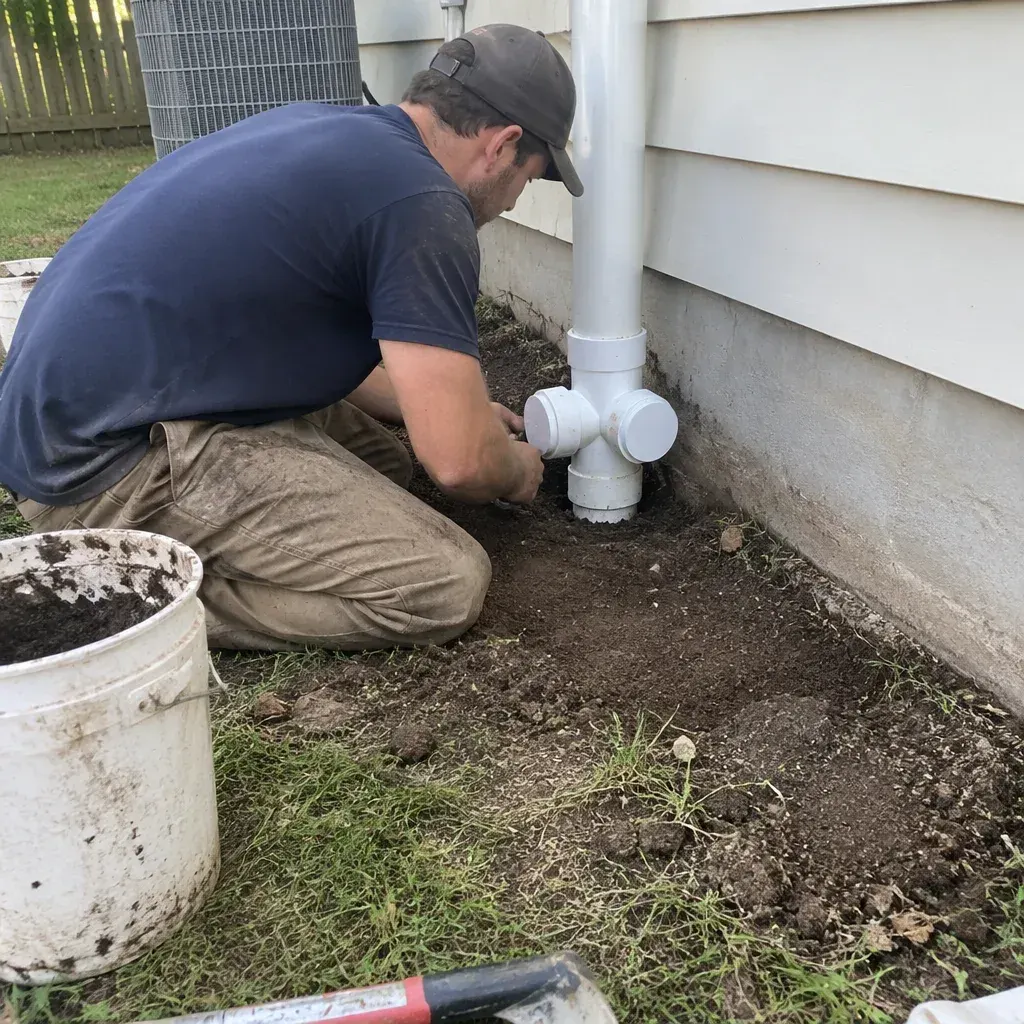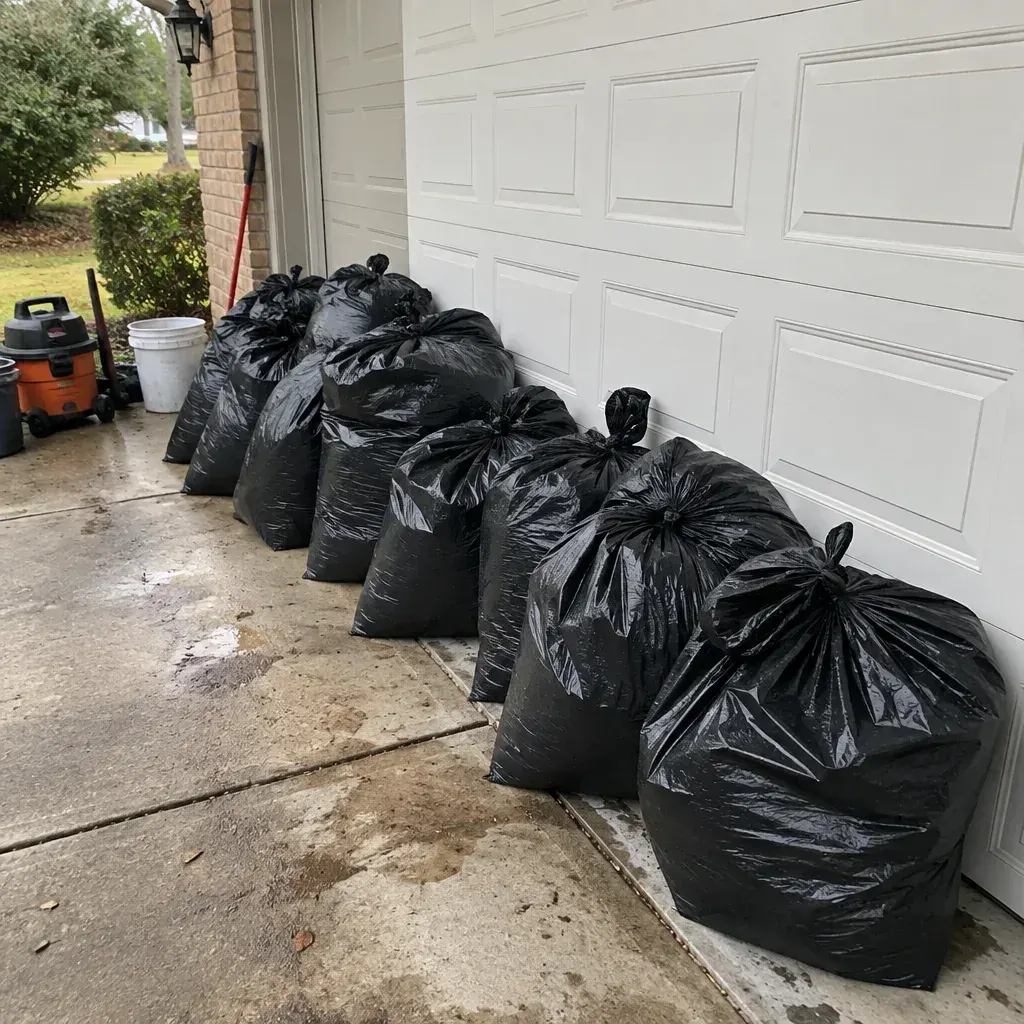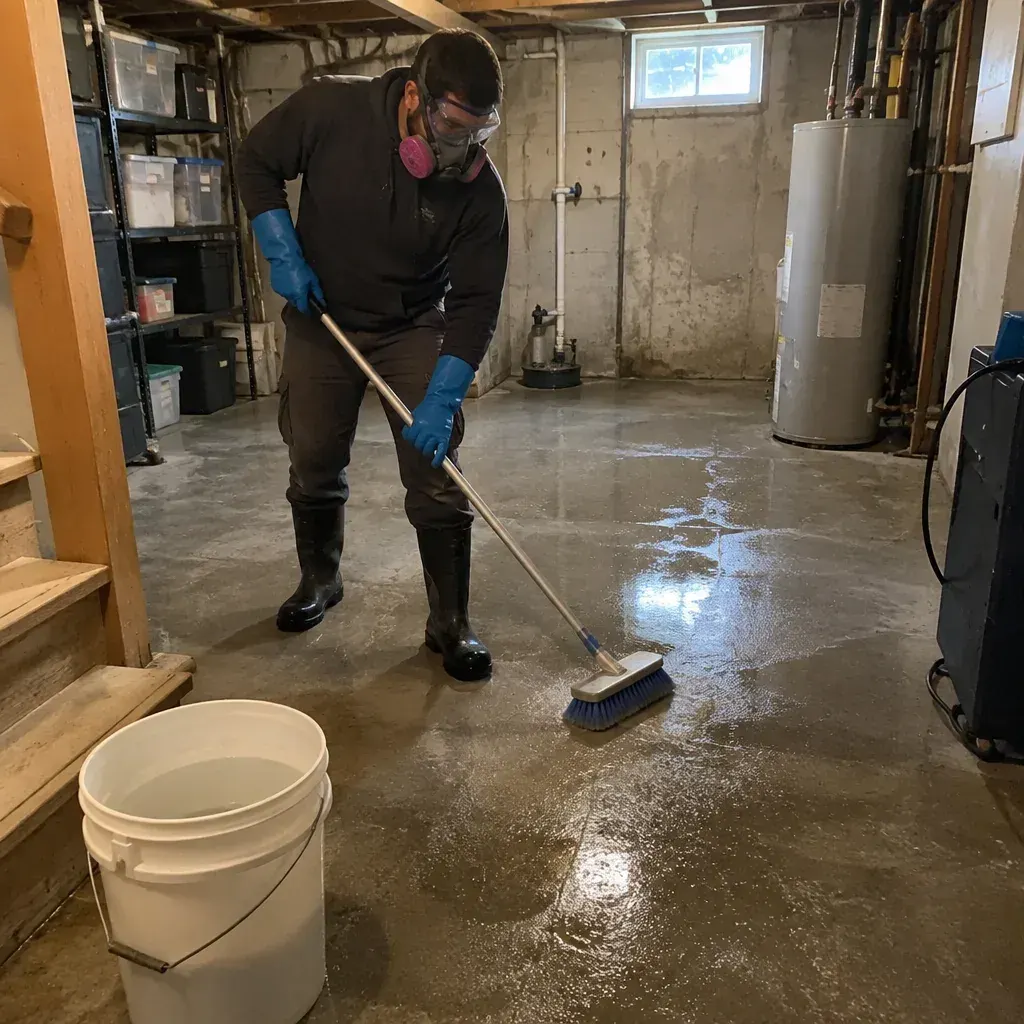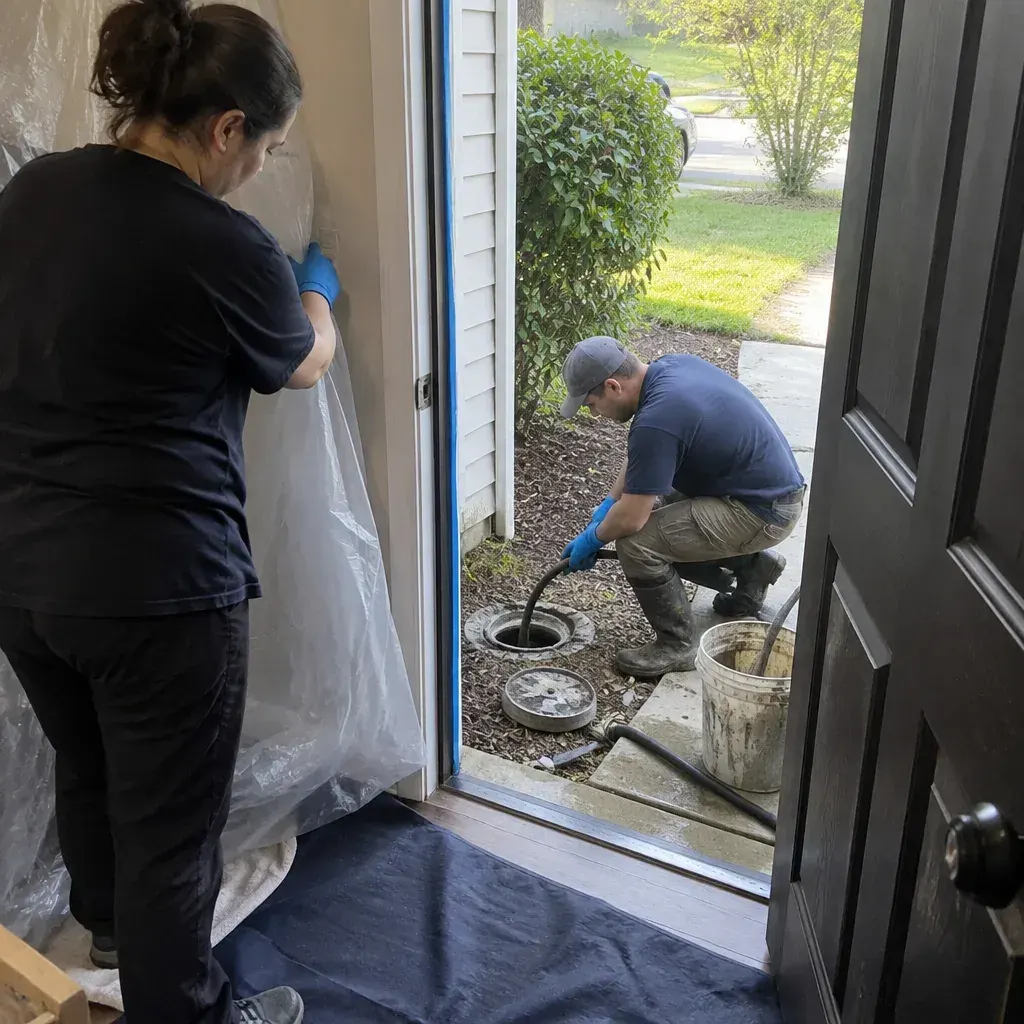
Start With the Visible Signs
After heavy rain, a sewer backup may become visible, but timing alone does not show what caused it. Start by noting where you see wastewater, damp flooring, or a new odor. Those clues help the pros we connect you with assess which rooms need attention. In Provo, rain can coincide with a backup without proving a link. The cleanup plan depends on what reached the structure and which materials were affected. Ask which spaces remain usable while that assessment and cleanup proceed.
Next, look at how the affected rooms sit within your home. A ranch may have fewer interior divisions than a split-level, while doors and level changes can separate living spaces. In Provo, Springville, and Mapleton, layouts still vary from house to house. Ask the provider to identify the specific rooms you may use. A clear answer gives your household a practical boundary to follow while cleanup is underway.
Understand the Active Work
Listen for pumps, fans, or repeated trips through the house. Those signs mean active work may need steady access to the affected rooms. Ask the pros we connect you with where equipment will sit and which doors workers need to use. A defined plan can help you understand how cleanup fits around ordinary routines. It also gives everyone in the household a clear place to stop before entering an area being assessed or cleaned.
Rain may overlap with a backup, yet a wet day cannot identify the source. Note where water appeared and whether it moved beyond the first affected area. Ask whether the source still needs attention before relying on a room plan. Include contents and belongings in the discussion, not just walls and flooring. That information matters because a room that first seemed separate may need a different plan once the affected materials are understood.
Consider Household Health
Sewage can carry harmful germs, so household health matters when you decide whether to remain. Tell the provider if anyone has a health concern that makes exposure especially troubling. Ask what precautions are needed before anyone enters an affected room. If you cannot maintain that separation, staying elsewhere may be the safer choice. The pros we connect you with can explain which household limits apply to the current work.
Think about who will be home while cleanup is active. A child may open a closed door, or a pet may slip past a person carrying equipment. Make sure everyone understands the provider’s instructions and can follow them throughout the day. If that will be difficult, ask about another place to stay. The decision turns on whether your household can respect the limits set for the work, not simply on how many rooms appear unaffected.
Ask Again if Conditions Change
Recheck the situation if you notice fresh dampness, a stronger sewage odor, or wastewater in a new spot. Tell the provider what changed and pause use of the newly affected space. The assessment may need to cover more material than first expected, which can alter the room plan. Do not assume a room remains suitable because it was outside the initial visible area. Ask the pros we connect you with for updated guidance before using it.
Before deciding to remain, ask the provider to name each room your household may use and explain any limits. Ask what signs would change that advice, and whom to contact if you notice new dampness or odor. If a household member cannot follow the boundaries, ask whether leaving during active work is wiser. For a Provo home, a direct conversation with the cleanup provider can turn a general plan into clear guidance for your household.
Dealing with a sewer backup in your home?
Look from a dry, safe spot. Do not enter water or handle wet items. Note affected rooms, floor edges, and belongings; keep people and pets away. Note where the backup first appeared, if that spot is visible from your safe location. Record visible damage without tracing sewage through the house. Ask the pros we connect you with whether they serve your address, when they are available, their timing and visit charges, and what cleanup includes. Have a plumber find and repair the backup source.