Read the Cleanup Findings
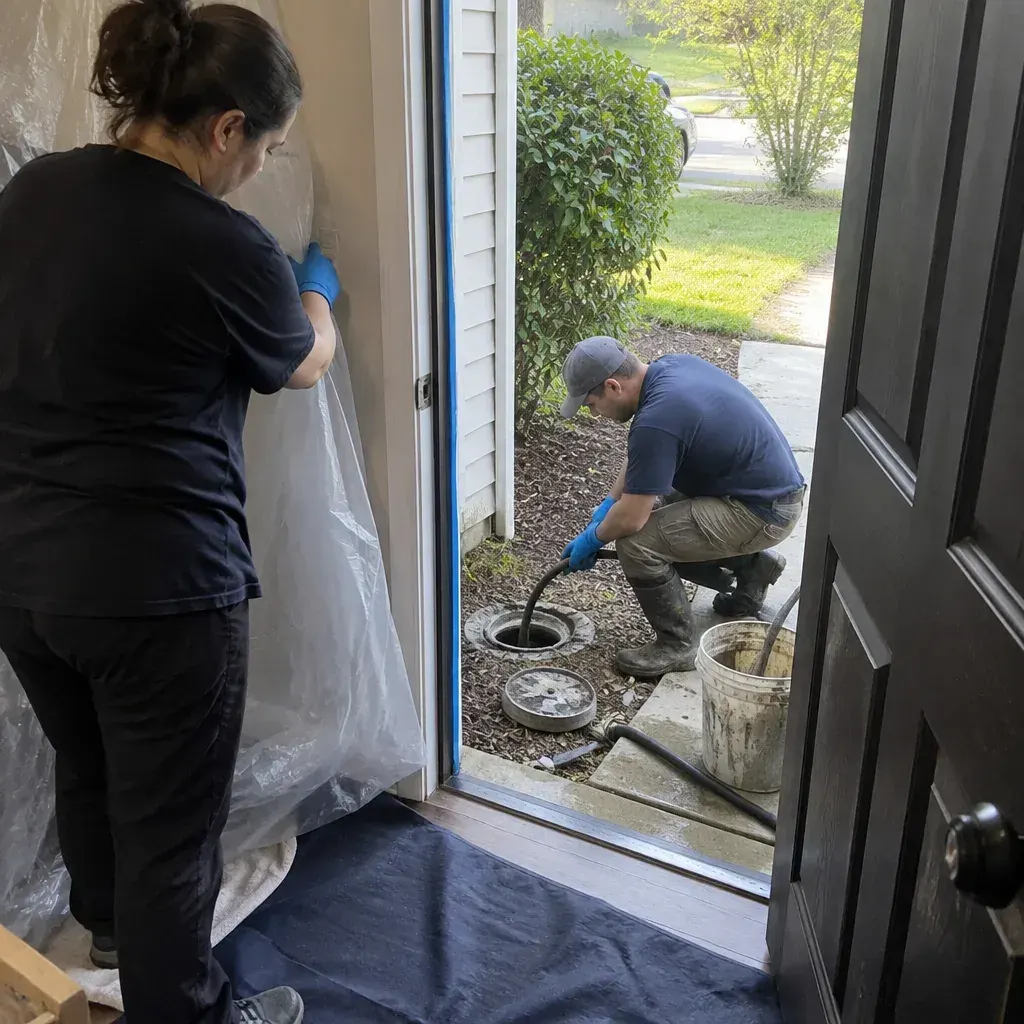
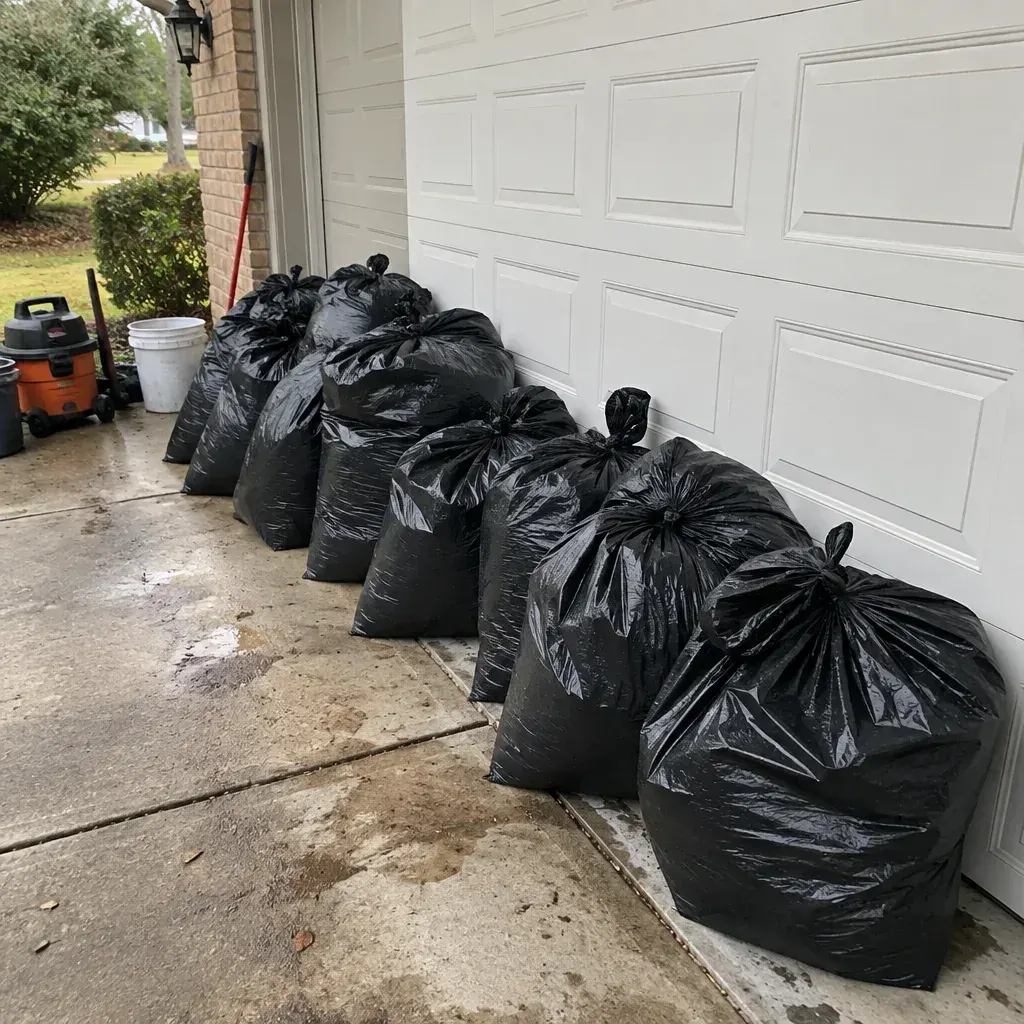
Before you return after sewage cleanup, look for a clear account of what the provider finished and what the inspection found. Sewage removal alone does not show that affected surfaces were cleaned and disinfected or that damp building materials were dried. In Provo, the pros we connect you with can explain which observations support using the space again. These sections cover completion, visible signs, records, and drying. Together, they help you judge whether the findings support reentry or leave an unanswered concern.
Start with the work itself. Ask which rooms and surfaces were affected, what was removed, and what cleaning and disinfection were completed. In a split-level home, sewage may have reached a lower room while upper areas stayed outside the cleanup. The work summary should make that boundary understandable. If a task remains open, ask which part of the area it concerns and whether it changes the return decision. A finished date alone cannot tell you what the inspection covered or what evidence supports using the space.
Compare Rooms With the Inspection
During a walkthrough, compare the provider’s account with what you can see. Look for rooms, baseboards, or stored items that appear to have been affected but do not appear in the summary. In a ranch near Rotary Park, for example, a low wall edge may be easy to overlook. Point out mismatches and ask what the inspection found there. This is an observation check, not a way to judge sanitation by appearance alone. The provider can explain whether that spot was assessed and how it affects readiness.
Ask for a written closeout that names the areas addressed and notes any work still pending. It gives you something concrete to compare with the rooms you remember and the provider’s walkthrough. In Provo, a home near Quail Cove and a home near Rock Canyon Trailhead have no shared cleanup record; each account should describe that property’s work. Read for clear boundaries and findings, not a broad statement that the job is done. If a note is unclear, ask what it means for the area you plan to use.
Look for Signs of Remaining Moisture
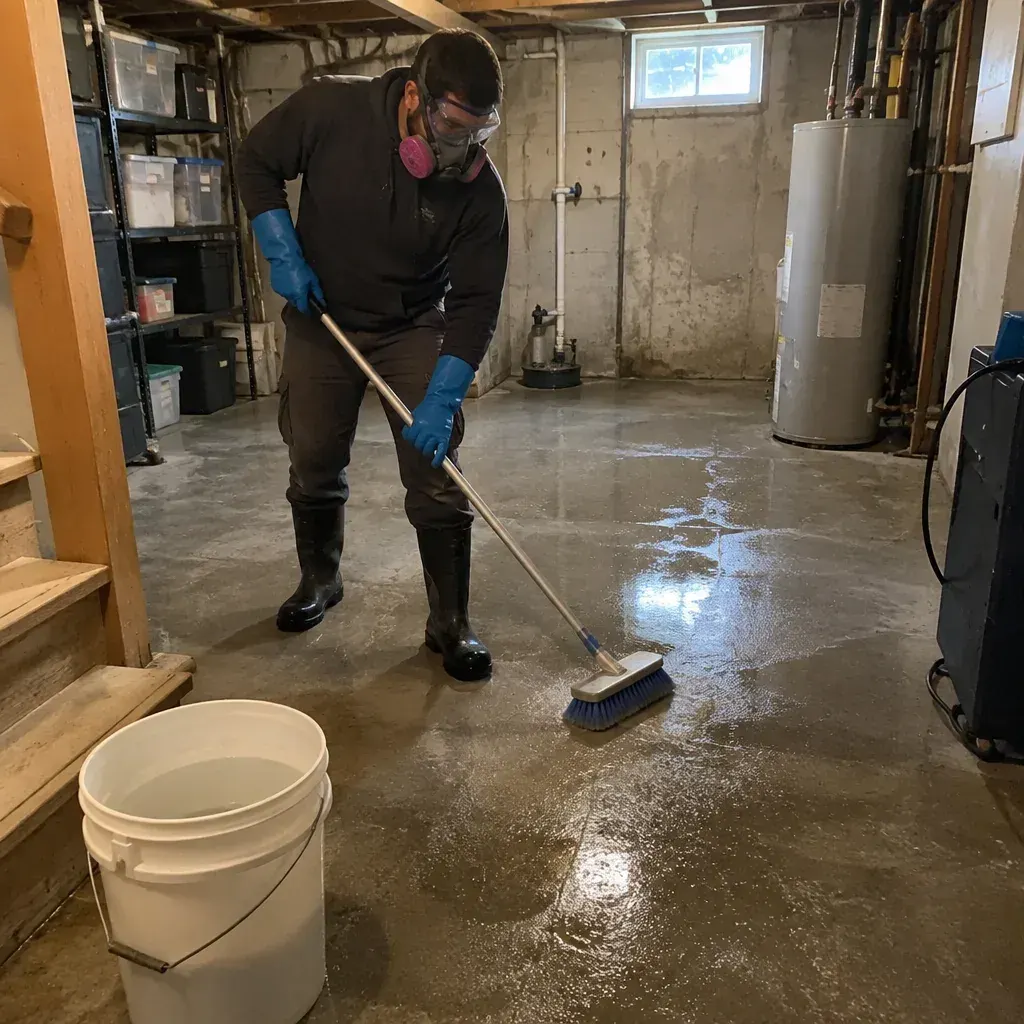
Check the provider’s drying findings before treating a cleaned room as ready. A damp feel, visible moisture, or a musty smell can point to moisture that remains in building materials. Sewage may be gone while moisture persists behind a surface or beneath flooring. Ask what readings or observations support the drying conclusion and which materials were checked. In a basement or split-level, the lowest affected section may need its own explanation. The findings matter more than a room’s appearance on a single walkthrough.
Notice odors, damp spots, or changes that remain after cleanup, and tell the provider where you noticed them. A sewage odor can indicate that an affected area needs more explanation, but smell alone does not establish whether it is safe. Ask whether odor treatment was part of the completed work and what the inspection found at that location. If the account does not explain a lingering sign, get the provider’s interpretation before relying on that space. Keep the question specific to the room or surface you observed.
Judge Readiness by Each Space
Think about readiness by the area you intend to use. A cleaned main floor does not describe a basement, utility space, or adjoining room that had separate exposure. Ask the provider to identify which spaces the findings cover and whether any remain outside the completed work. This matters in homes around Provo, where layouts differ from one property to another. A room-by-room explanation gives you a clearer basis for returning to one area without assuming every part of the house shares its status.
Keep a written list of unanswered questions so each one can be addressed before you decide. Then ask whether any open task or unexplained sign changes that conclusion. Those answers make the return decision specific to your home instead of a calendar date. If the pros we connect you with cannot explain a finding, ask who will clarify it and when. You should leave knowing what supports reentry, what remains uncertain, and which space that uncertainty concerns.
Dealing with a sewer backup in your home?
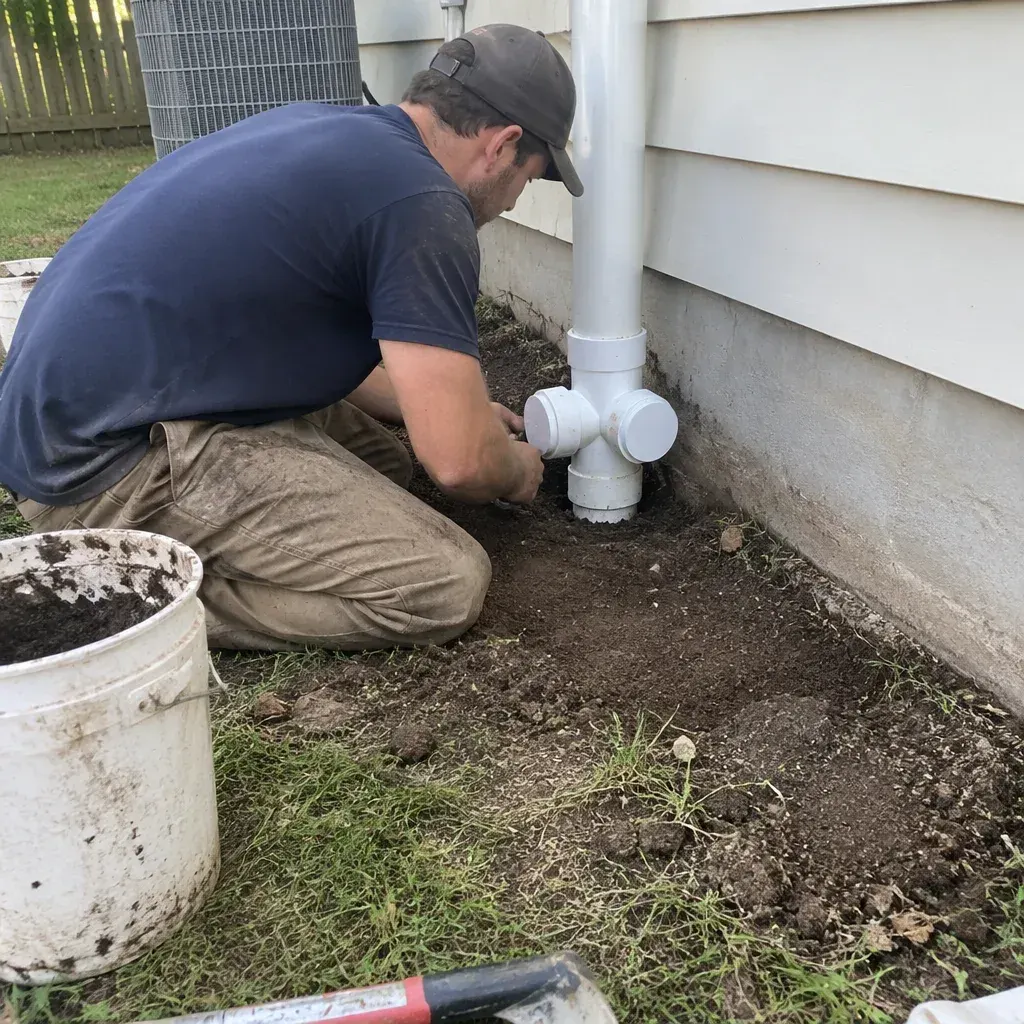
Look from a dry, safe spot. Do not enter water or handle wet items. Note affected rooms, floor edges, and belongings; keep people and pets away. Note where the backup first appeared, if that spot is visible from your safe location. Record visible damage without tracing sewage through the house. Ask the pros we connect you with whether they serve your address, when they are available, their timing and visit charges, and what cleanup includes. Have a plumber find and repair the backup source.