Retail Cleanup
Retail backup cleanup
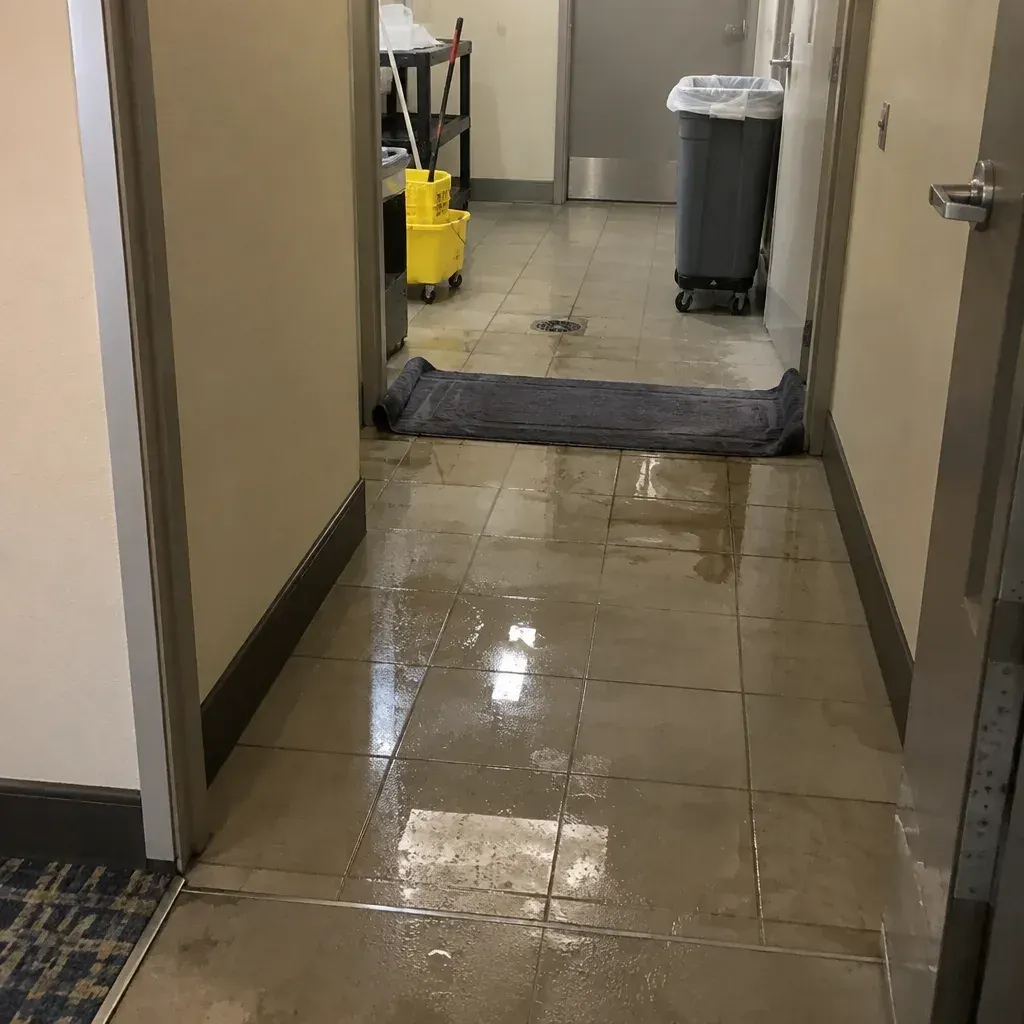
Plan Provo hotel sewage cleanup around affected rooms, shared facilities, and the operational effects of closures.
Hotel sewer backup cleanup separates affected rooms from areas still in use, removes sewage, and assesses damaged materials. Cleanup then includes suitable removal, surface cleaning and disinfection, and drying. Hotel staff coordinate access and room availability as each area is treated and reviewed.
In Provo, a guest room backup can affect more than the room where water appears. Shared corridors and service routes may carry foot traffic between clean and affected areas. That can interrupt room assignments, housekeeping, and guest movement. Hotel sewage cleanup works best when the response starts with the building layout and current operations. Mark reported rooms, nearby shared spaces, and routes people use. Then assess where sewage reached and set work boundaries. This gives managers and cleanup professionals a practical basis for deciding what stays open and what needs attention first.
Before work starts, identify entrances to affected rooms and the paths workers need. Keep guests and staff away from contaminated areas. A boundary should account for doors, corridors, elevators, and service access, since people can carry material beyond the first wet spot. In Provo, a hotel may need to adjust housekeeping or redirect guests while a route is assessed. Discuss those changes with the cleanup professional before setting the work order. Clear routes help limit contact and reduce avoidable disruption across the property.
Give the response team a floor plan marked with reported conditions and operating needs. Note which spaces share access, where guests are currently assigned, and which routes staff rely on. A hotel serving visitors to Fort Utah Park or Rock Canyon Trailhead still needs decisions based on its own layout and observed conditions. Nearby landmarks do not explain a backup. The map helps everyone discuss affected rooms and shared areas in the same terms, while leaving the cause and extent for a site assessment.
Room availability changes as assessment and cleanup progress. Use a clear status for each room, such as held for review, under work, or ready for the hotel's reopening review. Assign one person to update that status when conditions change. This keeps the front desk from placing guests into a room still being assessed. In Provo, managers can also plan alternate assignments before a floor becomes busy. A current room picture helps staff answer practical questions without promising a return time before the work supports it.
Shared spaces deserve their own entries in the operating plan. A corridor, elevator landing, or staff passage may affect several rooms even when no backup is visible there. Ask the assessor to consider where sewage or foot traffic could have carried contamination. Then decide whether access must pause or follow a different route during work. For a Provo property, coordination with housekeeping, reception, and facilities staff can reduce conflicts between guest movement and cleanup access. Revisit the route plan when the work boundary changes.
| Location | Hotel activity | Disruption notes |
|---|---|---|
| Sleeping suites | Block rooms where sewage or cleanup debris reached | Record room IDs and nearby finishes for review |
| Guest hallways | Seal the work zone and provide another staff route | Note barriers, doors, and altered staff paths |
| Lobby and desk | Move arrivals away from extraction and equipment staging | Post the temporary check-in point for each shift |
| Dining space | Pause seating where sewage reached floors or walls | Identify exposed tables, chairs, and finishes |
| Kitchen support | Keep food handling separate from cleanup traffic | Mark affected storage and relocated supplies |
| Laundry room | Hold linen movement through affected work areas | Separate suspect loads from clean inventory |
| Function rooms | Check barriers against scheduled gatherings | Update event staff on room availability |
| Area map | Locate the affected property in Provo | Show Hobble Creek Park and Springville Museum as map references |
Before contents are shifted, note what is in each affected room and where it sits. Separate guest belongings from hotel furnishings and supplies. Photograph items in place when practical, and record visible contact or damage without guessing what can be saved. A guest room backup may involve soft goods that absorb sewage, while hard surfaces need a different review. In Provo, a manager can arrange a contact point for guest questions and access decisions. This keeps contents handling orderly while the assessment determines what needs removal or cleaning.
Decide who can approve room access, temporary closures, and movement of hotel property. The person coordinating guests may not control facilities access or contents decisions. Share those roles before cleanup begins, so workers can get timely direction without interrupting unrelated operations. If the hotel has more than one building or floor in scope, use the same room and area labels throughout. This simple consistency makes updates easier to follow for managers and staff, especially when Provo operations continue in unaffected parts of the property.
Keep observations tied to their locations and sources. A staff report, a photograph, and a room status each serve a different purpose. Note who reported a condition and when it was observed, then update the map if assessment finds additional affected space. This helps a Provo manager compare the initial report with the work area as it develops. Focus on affected materials and operating decisions here; the cleanup professional's findings guide removal, cleaning, disinfection, and drying as appropriate.
A visible wet floor is only one clue. Assessment should consider nearby surfaces, furnishings, and adjoining areas that may have contacted sewage or tracked material. Porous items can hold contamination, so cleaning alone may not be suitable for every material. The professional identifies what needs removal, what can be cleaned and disinfected, and which building parts need drying. For a Provo hotel, this review helps define the work boundary around actual conditions rather than closing spaces by guesswork.
Once the affected zone is controlled, cleanup addresses sewage inside the building. Workers extract sewage, remove materials that cannot be adequately cleaned, and clean and disinfect remaining affected surfaces. Odor treatment may follow, then drying reduces moisture in building materials. In Provo, the hotel can coordinate these steps with room holds and access changes, adjusting the schedule as assessment clarifies the scope. A plumber may need to diagnose or repair the backup source; that work is separate from cleaning the interior.
A room should not return to service just because standing water is gone or the odor has faded. Review whether affected materials received the planned treatment and whether structural drying is complete. Ask the cleanup professional what conditions support release of each space, then have hotel staff update its operating status. In Provo, reopening decisions can be made room by room when assessment supports that approach. Keep spaces restricted if the review finds remaining contamination, wet materials, or unresolved access concerns.
A hotel may be able to keep suitable areas operating while cleanup proceeds elsewhere. That depends on firm separation between work zones and guest routes, plus safe access for workers. Consider how changes affect housekeeping, deliveries, and movement between floors. A Provo hotel with visitors heading to Lakeview Park may need to communicate route or room changes clearly at check-in. Reassess the arrangement if the work boundary expands. Operations should follow the conditions on site, not an assumed timetable.
Before speaking with the pros we connect you with, mark reported rooms, nearby shared spaces, and normal staff routes. Bring the floor plan and note which operations are hardest to pause. Ask how they would assess the boundaries, sequence work around access needs, and explain what conditions matter before rooms reopen. For a Provo property, include any guest movement or housekeeping constraints that affect the plan. These details help shape a useful conversation about hospitality cleanup without assuming every room needs the same response.
Start with a map of the spaces reported or observed, then review it with an independent cleanup professional. Discuss which rooms and shared areas need assessment first, how the hotel can keep people clear, and what operating changes may follow. Ask how findings will guide removal, surface treatment, and drying. The Provo River is part of the area's geography, but its presence alone does not establish why a property's sewer backed up. Keep decisions tied to the building assessment and the hotel's actual access needs.
A guest room backup can take rooms out of service and affect nearby shared areas. In Provo, commercial sewage cleanup cost reflects the contamination footprint, materials that need removal, and the cleaning, disinfection, odor treatment, and drying required. Work may also need to fit around hotel operations, extending how long spaces remain unavailable. The financial effect can include disrupted room assignments and reduced access to amenities. Ask for an assessment that identifies affected spaces and explains the planned work by area. Brigham Young University and Utah Valley University are local reference points, not indicators of a hotel's sewer conditions.
The pros we connect you with address cleanup inside the structure; confirm which communities their service area reaches, includingOrem, American Fork and Lindon. Ask what an in-person inspection adds to the bill, if anything, and whether the pros we connect you with take work beyond their usual area.
Commercial sewer cleanup is often priced for each site visit; $7,000–$14,000 is a planning guide. An office floor with several affected rooms may need different work from a single back room. Material removal, drying needs, and the number of visits shape the final quote.For a Provo business, separate rooms, shelving, equipment, and finish materials can add different tasks and change the price. When you call, describe where sewage reached and which contents or machinery were exposed. Give the address too, whether it is in Provo, Springville, or Mapleton, so the service area can be checked.Find estimate factors in the pricing guide; the commercial overview explains how commercial cleanup work is coordinated across a property.
Retail backup cleanup
Restaurant Backup Cleanup
Provo Office Guide
Keep guests and staff outside the affected zone while the area is assessed. Give front desk staff a simple map of closed rooms and safe routes, and tell housekeeping which areas to avoid. Containment helps limit the spread of contaminated water and debris. Do not send anyone in to retrieve belongings until the cleanup assessment establishes a safe handling plan.
Track each affected room or shared area, when it became unavailable, and what damage staff observed. Note contents that may need separate handling and record changes to room assignments or access. Dated photos can help show conditions as work proceeds. Keep the notes organized by location so hotel managers can follow the operational impact without treating the log as proof of insurance coverage.
Return a room or shared space to use only after its assessment and planned treatment are complete. Confirm affected surfaces were cleaned and disinfected, and damp building materials were dried. Check that the work zone and guest routes are clear. The manager responsible for access can review these conditions with the cleanup professional before the hotel resumes normal use of that area.
Contamination from a backup may reach surfaces beyond the fixture, making the visible water an incomplete picture of the affected area. Ask facilities staff to compare affected drains, room locations, and building plans. Keep the suspect room and any linked shared area closed while the assessment checks where contamination traveled. A nearby landmark does not establish the hotel’s utility service or the backup’s cause.
Map the affected rooms and shared areas, then review a phased assessment and cleanup plan with the pros we connect you with.
Call (801) 716-3454