Restaurant Cleanup
Restaurant Backup Cleanup
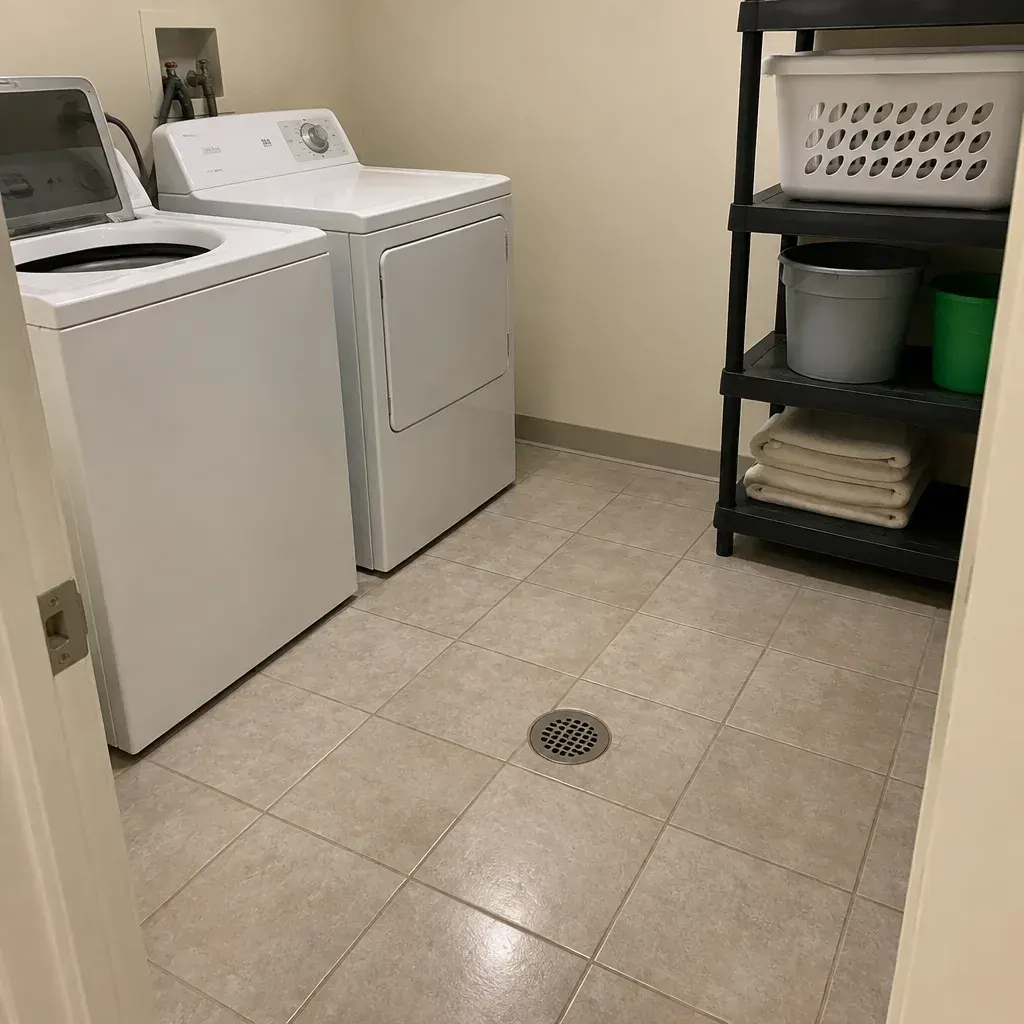
Plan office sewage cleanup in Provo around tenant access, work windows, affected rooms, and facilities records.
Building operations set access hours and identify spaces that can close. The cleanup professional contains the affected zone, removes sewage and unsalvageable materials, cleans and disinfects surfaces, treats odors, and dries the structure. Staff and tenants use alternate routes or work areas while rooms remain restricted.
Start by locating the backup, then learn which office functions it interrupts. In Provo, a wet floor beside a restroom may affect nearby desks, shared rooms, or a tenant suite. Note what staff cannot reach and which work can move elsewhere. That first map guides the cleanup sequence. It also helps you choose workable hours and explain likely access limits. Tell the pros we connect you with how the building is occupied. Ask them to shape containment and cleanup around the areas people still need to use.
Build a location record before rooms become closed work zones. In Provo, note the building, floor, suite, discovery time, and reporting contact. Mark visible water and any rooms that may share the affected route. Record which doors staff use and whether tenants need escorted access. This gives the cleanup professional a starting map for the assessment. It also helps facilities staff compare observations as access changes. Keep the record factual; the cause may still need investigation.
Close off the affected space while its condition is checked. Sewage and contaminated debris can carry harmful germs, so staff should stay clear. In a Provo office, tell occupants where access stops and who can answer questions. Do not ask employees to retrieve supplies or move furniture through the area. A clear boundary reduces accidental entry while the cleanup plan takes shape. If an essential work function sits inside, identify it for the facilities lead to address separately.
Ask how barriers will separate the affected zone from occupied offices. In Provo, the plan should account for shared hallways, elevators, and doors used by other tenants. Workers need a controlled way to bring equipment in and carry debris out. Ask where that path crosses normal business traffic, then discuss another route or a quieter work window. Containment helps keep sewage and debris within the work area. The boundary should also leave clear instructions for anyone approaching it.
Give one facilities contact authority to arrange entry and relay schedule changes. In Provo, that person can coordinate keys, escorts, security notices, and tenant questions. Share building hours, restricted rooms, and any periods when a corridor must stay open. Tell the pros we connect you with about meetings or essential operations nearby. A named contact limits conflicting instructions and repeated interruptions. Update that person when rooms close, work shifts, or access becomes available again.
| Work zone | Site details | Schedule impact |
|---|---|---|
| Site key | Provo office, Lindon branch, Springville site | Keeps plans tied to the correct property |
| Work zone | Rooms or suites needing containment | Helps occupants avoid the cleanup area |
| Open routes | Entrances, corridors, and accessible paths | Shows how people can move safely |
| Team needs | Departments relying on affected rooms | Helps identify temporary work arrangements |
| Exposed items | Furniture, files, and office equipment | Supports decisions on moving or cleaning contents |
| Building systems | Restrooms, elevators, and utility access | Alerts facilities staff to service constraints |
| Preferred periods | Tasks sensitive to noise or foot traffic | Helps fit work around office activity |
| Decision contact | Facilities lead and next update time | Keeps approvals and schedule changes moving |
Use the assessment to connect each affected room with a proposed action. In Provo, a damp carpet edge, stained baseboard, or wet file box may need different handling. Some absorbent materials can hold contamination beyond what surface cleaning reaches. Ask which items may be removed, which surfaces can be treated, and what needs drying. This room-by-room review helps you estimate space restrictions and arrange alternate work areas. Keep uncertain items marked for review instead of moving them through occupied space.
Once sewage and material marked for removal are cleared, workers clean and disinfect affected surfaces. In a Provo office, ask which rooms and touch surfaces fall within the work plan. Disinfectants must follow their label directions, including safety steps and required wet contact time. That can affect when a room is safe to reenter. Ask how the schedule will be communicated and what condition must be met before staff return. Do not set a reopening time before the cleanup team assesses the space.
After cleaning, drying equipment may remain in the office while moisture leaves building materials. In Provo, ask where machines will stand, what noise to expect, and whether cords affect walkways. Affected walls or flooring may need drying even after visible water is gone. This stage can keep part of a suite unavailable beyond the initial cleanup. Coordinate equipment checks with building access rules. Tell occupants which routes remain open, and ask when the drying progress will be reviewed.
When a portfolio includes several sites, keep each location’s decisions distinct. In Provo, label records by building and room; use separate identifiers for sites in Springville, Mapleton, or Pleasant Grove. That prevents a material note or access change from being assigned to the wrong office. A facilities manager can compare which operations need temporary arrangements at each address. Share only the schedule and restrictions that apply to each site. Ask the cleanup contact how updates will be organized across locations.
Tell tenants what changes their immediate route or work plan. In Provo, name the closed suite, the usable entrance, and the contact for access questions. Give notice before barriers appear when timing allows, then revise it if the work boundary shifts. Avoid broad messages that leave occupants guessing which door remains open. A concise update helps people reach their work area without entering the cleanup zone. Give security the same current directions so visitors receive consistent guidance.
When entry is safe and authorized, capture room conditions before cleanup changes them. In Provo, record the observation time and the person taking each photo. Include affected finishes, furnishings, and visible water without entering a restricted area. A simple item list can help explain what facilities staff observed and what may require attention. Keep images tied to their room names. These notes can support an insurance claim review, though they do not establish whether a policy covers the loss.
Keep later decisions beside the original room notes. In Provo, record when access changed, what material was removed, and which cleanup steps were reported. Link each update to the same floor and suite label used in the initial map. This makes the file useful to managers who were not present during the incident. It also helps operations staff see why a space remains closed. Store tenant notices and schedule updates with the relevant location record, not as unlinked messages.
Office sewage cleanup addresses contamination and damage inside the building. In Provo, a cleanup assessment can guide removal, cleaning, disinfection, and structural drying. It does not determine what caused the office sewer backup or repair the sewer line. A plumber can investigate a blockage or other plumbing source. Keep those responsibilities clear when setting work windows, since the building may need separate access arrangements. Ask the facilities contact to track plumbing updates alongside cleanup decisions without treating them as the same work.
Before booking work, prepare the room map, occupancy limits, access rules, and preferred work windows. In Provo, include tenant contacts and any operations that cannot pause. Ask the pros we connect you with how they will contain the affected area, move equipment and debris, and communicate schedule changes. Confirm what documentation they can provide for facilities records. If several locations are involved, identify each one separately. These details help you plan office sewer backup cleanup around people and building use.
In Provo, commercial sewage cleanup costs reflect the work needed and the hours a building can grant access. A late-day window may shorten disruption but require separate setup or return visits. A closed tenant area can also affect how equipment and debris move through the building. The assessment determines which finishes need removal, what can be treated in place, and how long drying may occupy rooms. Share occupancy plans early so the scope accounts for secure areas, shared routes, and work that cannot pause.
The pros we connect you with address cleanup inside the structure; confirm which communities their service area reaches, includingProvo, Orem and American Fork. Before setting a visit, ask the pros we connect you with whether travel is billed and how they define their service boundary.
Commercial sewer cleanup is often priced for each site visit; $7,000–$14,000 is a planning guide. An office floor with several affected rooms may need different work from a single back room. Material removal, drying needs, and the number of visits shape the final quote.For a Provo business, separate rooms, shelving, equipment, and finish materials can add different tasks and change the price. When you call, describe where sewage reached and which contents or machinery were exposed. Give the address too, whether it is in Provo, Springville, or Mapleton, so the service area can be checked.Find estimate factors in the pricing guide; the commercial overview explains how commercial cleanup work is coordinated across a property.
Restaurant Backup Cleanup
Hotel Backup Cleanup
Retail backup cleanup
Have building operations name the rooms that can close and set hours when workers can enter. Tell staff and tenants which doors or routes remain available. The cleanup professional can plan barriers, removal, cleaning, and drying around those limits. In Provo, a facility near Fort Utah Park or Lakeview Park should still base its schedule on its own occupants and access rules. Keep one contact available to relay changes if the affected boundary grows.
Keep a timeline that links each decision to the room or tenant area involved. Record who approved closures, when notices went out, and when access rules changed. Photograph visible damage when safe, and save the assessment, material inventory, and work updates together. These records help facilities staff track what happened and may support an insurance claim. Coverage depends on the policy, so ask the insurer which records it needs.
Give each office its own contact, access instructions, and operating calendar. A shared overview can show which location needs attention first, while separate room records keep findings tied to the right building. Tell the cleanup professional about sites with overlapping work windows or shared decision makers. In Provo, a portfolio may include offices near the Provo River; confirm access and occupancy details for each address rather than carrying one site's plan to another.
Insurance payment depends on the policy and the insurer's review. Ask the insurer whether sewer backup damage is covered and what evidence it wants. Keep photographs, the affected-material inventory, and cleanup records with the claim file. A cleanup professional can describe the work performed, but cannot determine coverage. Responsibility for the sewer line also depends on the property's provider and the cause; confirm those details before assigning repair responsibility.
List affected rooms, access limits, and operating hours, then discuss containment and coordination with the pros we connect you with.
Call (801) 716-3454